
We’ve Got You Covered

Lead Generation

Social media Ads, Google ads or totally free lead gen strategies; we have the tried & proven know-how to get you qualified leads that convert.

Social Media Management

Managing your socials doesn't have to be overwhelming. Save time on scheduling content and responding to comments and messages.

Content Creation

Whether you need blog posts, website copy, or social media updates, we can help you stand out from the pack and attract more customers.

Sales Funnels

We specialise in creating a custom funnels that fits your unique needs and helps you convert more leads into customers.

Reputation Management

With our Review Request System™, we can help you build a positive online presence and ensure that your customers see you as the best option.

SMS Marketing

Incredibly effective way to reach new customers, increase loyalty among current customers, and drive more sales at low cost. When done right.

Website Development

We'll work with you to create a website that reflects your unique brand and that will help you stand out from the competition.

Email Marketing

We'll help you create eye-catching emails that will grab your readers' attention, and turn it into action in form of more replies and sales.

NEW DATES: NLP PRACTITIONER COURSE - 2ND - 8TH MARCH 2026 - CLICK HERE

Why Executive Coaching Needs More Than a Certificate | Accelerate Performance

Why Executive Coaching Needs More Than a Certificate | Accelerate Performance

January 10, 20264 min read

During my years in executive roles driving sales, marketing, and growth in technology companies, I've watched the coaching industry explode. The global executive coaching market hit $103.56 billion in 2025 and projects to reach $161.10 billion by 2030.

But this troubles me…

Around 67% of coaches identify as business, leadership, or executive coaches. Yet when I speak with executives who've worked with coaches, the feedback splits sharply. Some rave about transformation. Others describe expensive conversations that went nowhere.

The difference comes down to one thing: real-world experience.

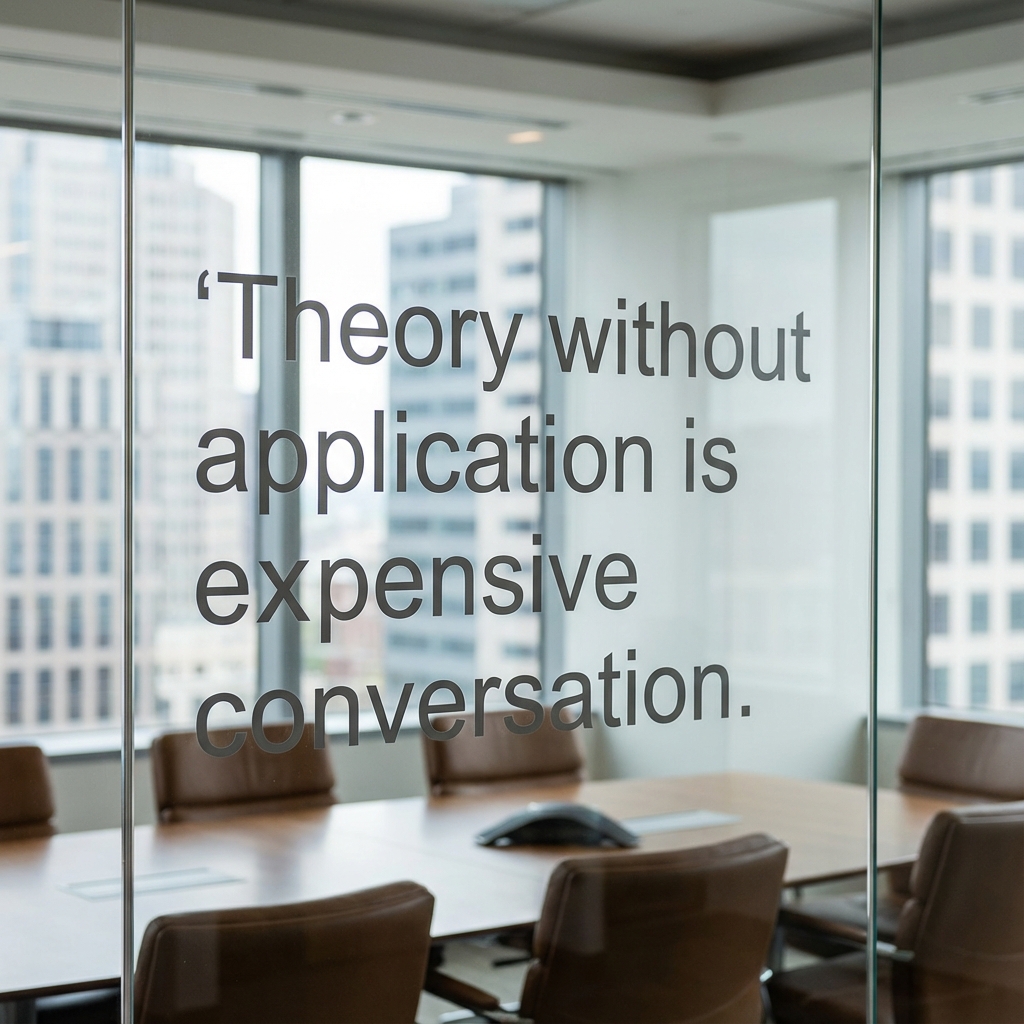
Theory Without Application Is Expensive Conversation

Executive coaching differs fundamentally from life coaching. The stakes are higher. The challenges are specific. The pressure is relentless.

When an executive faces a board demanding results, a team losing confidence, or a market shift threatening the business, they need more than frameworks and goal-setting techniques.

They need someone who has sat in that chair.

I've built my coaching practice on this principle. Not because I think credentials don't matter. They do. But credentials alone don't prepare you to guide someone through the specific chaos of executive leadership.

Research backs this up. Executive coaches typically come from business backgrounds with at least 10 years of experience working as executives, training practitioners, consultants, or human resource managers. The practical insight from leadership positions offers something textbooks can't provide.

What Real-World Experience Actually Means

I've made stupid decisions that seemed smart at the time. I've watched talented leaders fall into the same traps repeatedly. I've led growth initiatives that succeeded and ones that failed spectacularly.

This matters in coaching sessions.

When an executive describes a challenge, I recognise the pattern. Not from a case study. From having lived it. I know what the pressure feels like. I understand the political dynamics. I've experienced the weight of decisions that affect people's livelihoods.

This recognition creates trust faster than any credential.

Executive coaches focus on aligning personal development with business objectives. We ensure leadership improvements translate into tangible organisational benefits. That requires understanding how organisations actually work, not how they work in theory.

The ROI Tells the Story

Executive coaching delivers a 788% return on investment when done right. Some studies show returns of 5.7 times the initial investment.

Intel's coaching programme now contributes about $1 billion per year in operating margin.

These numbers don't come from coaches who learned leadership from books. They come from coaches who understand the friction between strategy and execution. Who know why smart people make poor decisions under pressure. Who have navigated the gap between what leaders should do and what actually works.

The data shows executive coaching leads to a 70% increase in individual performance, 50% increase in team performance, and 48% increase in organisational performance. But only 10% of executive coaching clients pay for their own coaching, compared to 61% of life coaching clients.

Organisations invest in executive coaching because they recognise the specific value it brings. They want coaches who understand their world.

The Leadership Crisis Makes This Urgent

Global employee engagement fell from 23% in 2023 to 21% in 2024. Manager engagement dropped from 30% to 27%. This decline costs an estimated $438 billion in productivity.

Organisations need executive coaches who can deliver actual results.

I've researched leadership burnout for months. I've studied persuasion psychology and hard leadership approaches. I've applied frameworks from Robert Cialdini and insights from McKinsey research.

But the real learning came from building and leading technology teams. From spending decades in executive sales, marketing, and growth roles. From experiencing the transformation that happens when theory meets reality.

What This Means for Choosing a Coach

When you evaluate executive coaches, look beyond credentials.

Ask about their executive experience. What roles did they hold? What challenges did they face? What did they build? What failed?

A great executive coach has formal training and accreditation. But they also bring robust business or leadership backgrounds. They've worked extensively with executive teams. They offer practical insight from having done the work themselves.

The coaching industry will continue growing. More people will enter the field. Some will bring genuine expertise. Others will bring certificates and good intentions.

Your job as an executive is to find someone who has walked the path you're on.

Because when the pressure mounts and the decisions get hard, you need more than theory. You need someone who knows what it actually takes to lead.

That knowledge comes from experience. Real, messy, hard-won experience.

Everything else is just conversation.

executive coaching needs more than a certificateexecutive coaching beyond certificationleadership coaching effectivenesswhy coaching certificates are not enoughhigh impact executive coachingexperienced coach vs certified coachexecutive development coaching qualitycoaching skills for leaderssustainable leadership coaching practicescoaching credibility in business
Back to Blog
Why Executive Coaching Needs More Than a Certificate | Accelerate Performance

Why Executive Coaching Needs More Than a Certificate | Accelerate Performance

January 10, 20264 min read

During my years in executive roles driving sales, marketing, and growth in technology companies, I've watched the coaching industry explode. The global executive coaching market hit $103.56 billion in 2025 and projects to reach $161.10 billion by 2030.

But this troubles me…

Around 67% of coaches identify as business, leadership, or executive coaches. Yet when I speak with executives who've worked with coaches, the feedback splits sharply. Some rave about transformation. Others describe expensive conversations that went nowhere.

The difference comes down to one thing: real-world experience.

Theory Without Application Is Expensive Conversation

Executive coaching differs fundamentally from life coaching. The stakes are higher. The challenges are specific. The pressure is relentless.

When an executive faces a board demanding results, a team losing confidence, or a market shift threatening the business, they need more than frameworks and goal-setting techniques.

They need someone who has sat in that chair.

I've built my coaching practice on this principle. Not because I think credentials don't matter. They do. But credentials alone don't prepare you to guide someone through the specific chaos of executive leadership.

Research backs this up. Executive coaches typically come from business backgrounds with at least 10 years of experience working as executives, training practitioners, consultants, or human resource managers. The practical insight from leadership positions offers something textbooks can't provide.

What Real-World Experience Actually Means

I've made stupid decisions that seemed smart at the time. I've watched talented leaders fall into the same traps repeatedly. I've led growth initiatives that succeeded and ones that failed spectacularly.

This matters in coaching sessions.

When an executive describes a challenge, I recognise the pattern. Not from a case study. From having lived it. I know what the pressure feels like. I understand the political dynamics. I've experienced the weight of decisions that affect people's livelihoods.

This recognition creates trust faster than any credential.

Executive coaches focus on aligning personal development with business objectives. We ensure leadership improvements translate into tangible organisational benefits. That requires understanding how organisations actually work, not how they work in theory.

The ROI Tells the Story

Executive coaching delivers a 788% return on investment when done right. Some studies show returns of 5.7 times the initial investment.

Intel's coaching programme now contributes about $1 billion per year in operating margin.

These numbers don't come from coaches who learned leadership from books. They come from coaches who understand the friction between strategy and execution. Who know why smart people make poor decisions under pressure. Who have navigated the gap between what leaders should do and what actually works.

The data shows executive coaching leads to a 70% increase in individual performance, 50% increase in team performance, and 48% increase in organisational performance. But only 10% of executive coaching clients pay for their own coaching, compared to 61% of life coaching clients.

Organisations invest in executive coaching because they recognise the specific value it brings. They want coaches who understand their world.

The Leadership Crisis Makes This Urgent

Global employee engagement fell from 23% in 2023 to 21% in 2024. Manager engagement dropped from 30% to 27%. This decline costs an estimated $438 billion in productivity.

Organisations need executive coaches who can deliver actual results.

I've researched leadership burnout for months. I've studied persuasion psychology and hard leadership approaches. I've applied frameworks from Robert Cialdini and insights from McKinsey research.

But the real learning came from building and leading technology teams. From spending decades in executive sales, marketing, and growth roles. From experiencing the transformation that happens when theory meets reality.

What This Means for Choosing a Coach

When you evaluate executive coaches, look beyond credentials.

Ask about their executive experience. What roles did they hold? What challenges did they face? What did they build? What failed?

A great executive coach has formal training and accreditation. But they also bring robust business or leadership backgrounds. They've worked extensively with executive teams. They offer practical insight from having done the work themselves.

The coaching industry will continue growing. More people will enter the field. Some will bring genuine expertise. Others will bring certificates and good intentions.

Your job as an executive is to find someone who has walked the path you're on.

Because when the pressure mounts and the decisions get hard, you need more than theory. You need someone who knows what it actually takes to lead.

That knowledge comes from experience. Real, messy, hard-won experience.

Everything else is just conversation.

executive coaching needs more than a certificateexecutive coaching beyond certificationleadership coaching effectivenesswhy coaching certificates are not enoughhigh impact executive coachingexperienced coach vs certified coachexecutive development coaching qualitycoaching skills for leaderssustainable leadership coaching practicescoaching credibility in business
Back to Blog

Let our happy customers tell their story

We think our courses and coaching are great, but our customers should have the last word. Here is a selection of endorsements.

Accelerating Your Performance Every Day

Accelerate Performance is on a mission to enable people and business to achieve great things through Advisory, Coaching, Consulting, Executive Leadership Development, and Training. .

© Copyright 2013 - 2026 - Accelerate Performance

Made with ♥ In London, GB